
Preventive maintenance for rotary atomizers: what you need to know
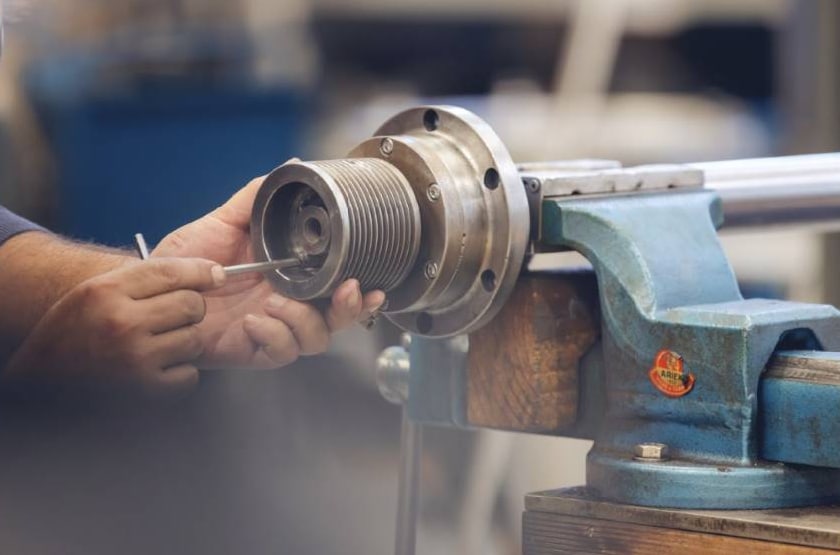
Rotary atomizers operate at tens of thousands of revolutions per minute, often under high temperatures and continuous mechanical loads. Bearings, spindles, wheels, and lubrication systems are therefore subject to progressive wear, even when the machine appears to be running normally.
Preventive maintenance for atomizers makes it possible to identify this deterioration before it affects production. By combining operating-hour tracking, condition monitoring, and scheduled workshop servicing, plant teams can reduce the risk of unexpected shutdowns and protect critical components.
Corrective maintenance for atomizers addresses a problem only after it has occurred. In a high-speed rotary atomizer, however, a worn or damaged component can affect other parts of the assembly before the fault becomes evident. The consequences may include:
The financial impact of an unexpected shutdown can easily exceed the cost of a planned overhaul. A structured maintenance program, based on clearly defined atomizer scheduled maintenance intervals, reduces this risk by coordinating inspections and overhauls with planned production stops. It also allows the maintenance team to prepare the required parts and resources in advance.
For teams responsible for spray dryers maintenance, atomizer condition is particularly important because it directly affects droplet formation and process consistency. CMT’s aftermarket service supports this approach through planned maintenance, refurbishment, spare parts, upgrades, and technical assistance throughout the equipment lifecycle.
Operating hours provide the first reference for planning maintenance. Depending on the control configuration, the atomizer monitoring panel can record operating hours and provide the information needed to plan service according to actual machine use rather than calendar dates alone.
The available functions vary by configuration, but may include:
These data help maintenance teams intervene before a component reaches a critical condition, while making it easier to organize work in advance and optimize plant availability. A traceable service history also helps identify recurring issues and changes in operating behavior.
Operating hours indicate when maintenance may be due, while condition monitoring shows how the atomizer is actually performing.
An increase in vibration is often one of the first signs of a developing mechanical problem. Possible causes include:
Monitoring vibration trends can reveal developing problems weeks or even months before a failure, giving the maintenance team time to inspect the atomizer and organize the required intervention.
Bearing temperature is equally important. An abnormal rise may indicate inadequate lubrication, worn bearings, or excessive preload. Evaluating the two parameters together provides a more reliable basis for unplanned downtime prevention, because decisions reflect both accumulated operating time and the atomizer’s current condition.
These principles apply across CMT’s rotary atomizer range, although service intervals and acceptable values depend on the model, application, duty cycle, and process conditions.
A complete rotary atomizer service involves more than replacing visibly worn parts. The atomizer must be dismantled, inspected, measured, reassembled, and tested as a complete assembly.
At the CMT workshop, each preventive service is carried out by specialized technicians following established inspection, overhaul, and testing procedures. A standard intervention includes:
Inspection, measurement, reassembly, and final testing are performed according to documented procedures consistent with CMT’s ISO 9001-certified atomizer manufacturing process. The atomizer is released for shipment and reinstallation only after all checks have been completed successfully.
Each intervention is documented in a dedicated service report covering the work performed and the results of the final checks.
Effective atomizer preventive maintenance should combine service intervals based on operating hours with condition data from vibration and bearing-temperature monitoring. Planned workshop inspections can then be scheduled before wear develops into a wider mechanical or production problem.
The appropriate interval is not the same for every machine. It should reflect the atomizer model, application, duty cycle, operating temperature, and process conditions.
To define the appropriate service interval or arrange an inspection, contact the CMT technical team.
